Upgrading Scotland's Aging Community Infrastructure
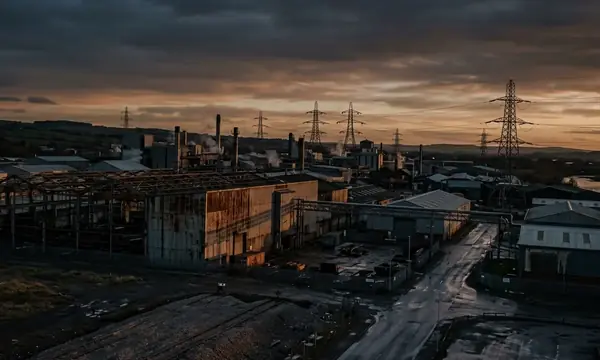
Community buildings across Central Scotland frequently operate with electrical systems installed before the 1990s. Assessments conducted in the early 2020s revealed widespread issues with energy inefficiency and outdated safety features. Commercial landlords and facility managers now face mounting pressure to modernize these installations.
The shift toward sustainable electrical infrastructure addresses both compliance gaps and rising operational demands in public spaces.
Criteria for Selection: Evaluating Electrical Innovation
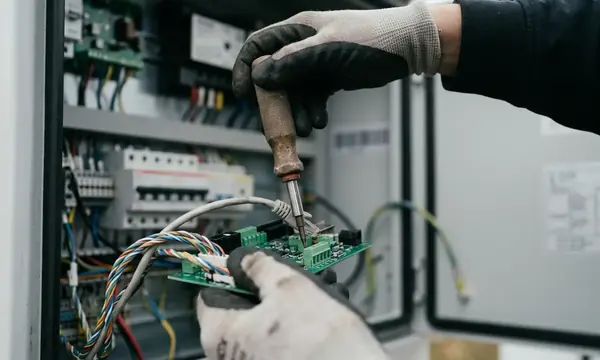
A renovation qualifies as innovative when it moves beyond basic rewiring to incorporate smart controls and EV provisions from the initial planning stage. Core criteria include integration of EV charging systems, full adherence to the latest BS 7671 wiring regulations, and use of smart energy management tools. Systems must support a minimum 22 kW per charger point, with compliance checks aligned to the 18th edition wiring regulations.
These requirements deliver long-term viability while lowering operational costs for community facilities.
3 Standout Community Facility Renovations in Central Scotland
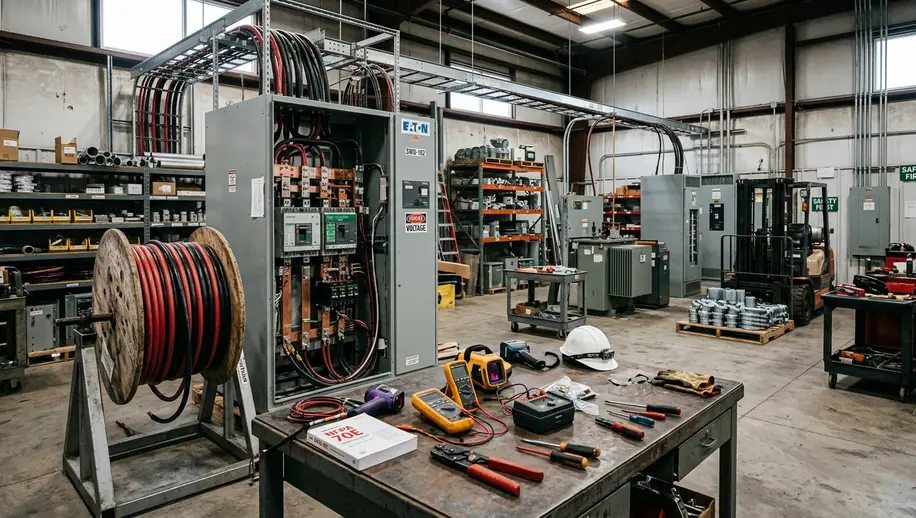
Three projects illustrate the range of approaches taken in the region.
1. The Falkirk Hub: Smart Grid Integration
Automated load-balancing systems were installed across around a dozen distribution boards to manage peak energy demand effectively.
2. Stirling Community Centre: Solar and Storage Retrofit
Commercial battery storage with capacity in the ballpark of 250 kWh was added during a complete rewiring project.
3. Livingston Sports Pavilion: EV Charging Infrastructure
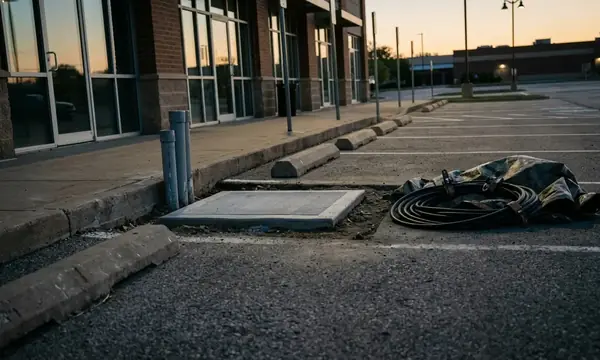
Rapid commercial EV chargers were deployed alongside a 400 A incoming supply upgrade.
Navigating Grid Constraints and Funding Limitations
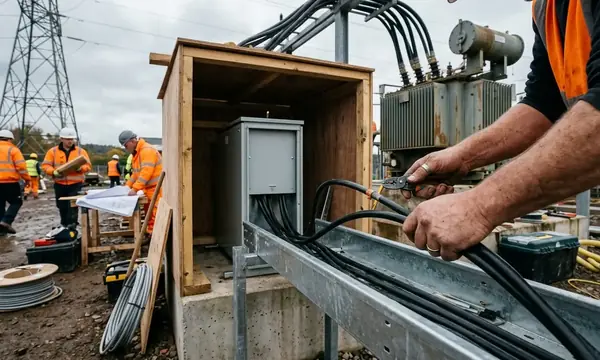
Semi-urban and rural Scottish locations present distinct challenges for high-tech electrical upgrades. Local District Network Operator responses to capacity queries typically take several weeks. Any single addition above 100 kW demand requires a formal DNO study before procurement begins. Budget constraints often lead to phased installations scheduled over roughly year-long periods.
The Future of Commercial Electrical Infrastructure
Recent projects now inform upcoming compliance cycles. These renovations have improved reliability for local communities while highlighting how upcoming standards will influence facility management decisions. Facility managers planning electrical upgrades should prioritize early DNO engagement and phased funding strategies to align with evolving regulations.