

Commercial Infrastructure
Guides and insights on planning, installing, and maintaining electrical systems for commercial and industrial facilities.
- System Planning: Design scalable distribution, containment, and load allowances for office refurbishments, warehouses, and phased industrial upgrades before equipment layouts are fixed.
- Renewable Integration: Assess inverter connection points, isolation, protection coordination, and export arrangements when adding solar PV to an existing commercial supply.
- Energy Efficiency: Use LED lighting design, occupancy control, sub-metering, and power management to cut wasted consumption across retail floors, back-of-house areas, and shared services.
- Compliance Standards: Apply BS 7671, commercial EICR requirements, fire safety interfaces, and Scottish building standards where they affect installation design and certification.
- Maintenance Protocols: Set inspection, testing, thermographic checks, distribution board reviews, and planned shutdown windows that reduce avoidable downtime for landlords and facility teams.

Three-Phase Power Upgrades in Ageing Commercial Units: Measuring the Real ROI
Commercial Infrastructure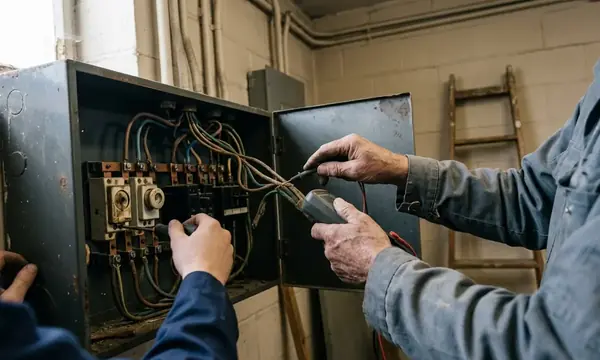
The True Cost of Ageing Electrical Distribution Boards in Commercial Buildings
Commercial Infrastructure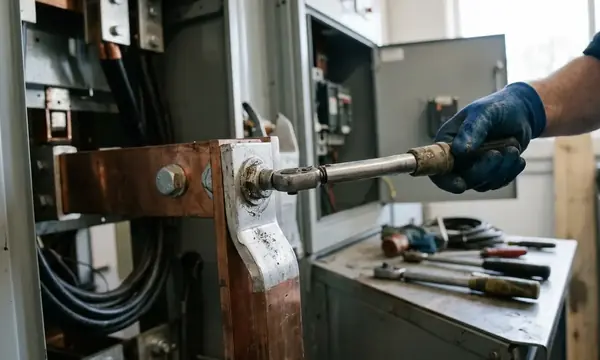
8 Essential Maintenance Tasks to Extend the Life of Commercial Switchgear
Commercial Infrastructure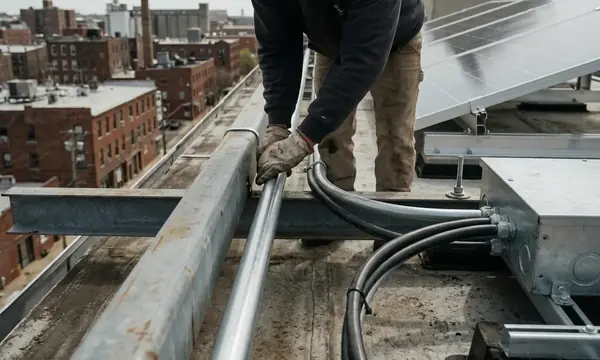
How to Integrate Solar PV Systems into Commercial Electrical Infrastructure
Commercial Infrastructure
Top 5 Energy-Efficient Lighting Solutions for Retail Spaces
Commercial Infrastructure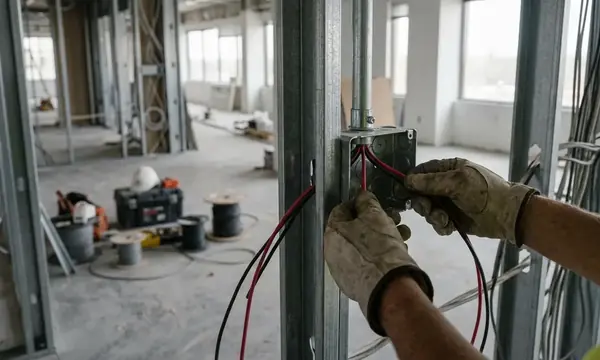
How to Plan Electrical Infrastructure for a Commercial Office Renovation
Commercial InfrastructureCommercial electrical infrastructure works best when capacity, safety, access, and future demand are planned together. EV charging, tenant changes, solar PV, and higher-density equipment can all alter the load profile of a building, so assumptions need checking by qualified commercial electrical professionals before work starts.
For Sdm Electrical, good practice means clear design records, compliant installation, practical maintenance planning, and certification that building owners and facilities teams can act on. The result is infrastructure that supports daily operations while keeping room for the next upgrade.