
The Power Demands of Falkirk's Renewal
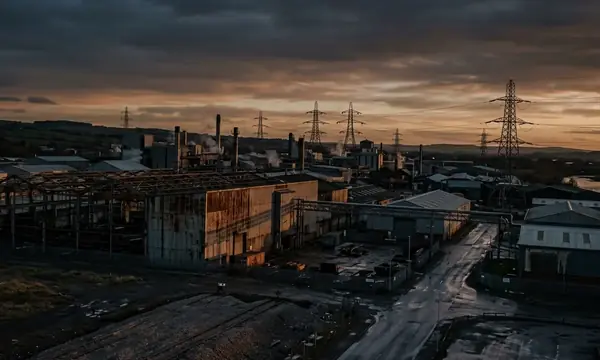
Urban regeneration projects in Falkirk are increasing local commercial power demands. Developers introduce high-density office blocks and retail spaces that draw continuous loads far beyond the original design capacity of neighborhood feeders.
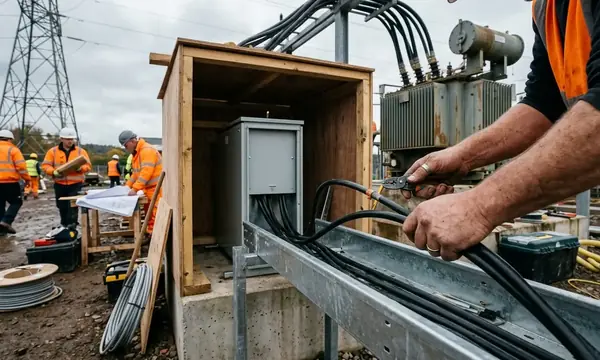
Existing legacy grid infrastructure faces strain from new high-density developments. Transformers installed decades ago now operate near thermal limits during peak business hours. Engineers document voltage drops that affect equipment performance in adjacent buildings.
Process reviews begin with load audits conducted over extended review periods. Teams map daily consumption curves for each new site and compare them against historical substation data. This reveals consistent overload windows, often hovering around the 8 a.m. to 6 p.m. business period.
Local planners coordinate with distribution network operators to schedule reinforcement work. They prioritize circuits serving mixed-use zones where retail and light industry coexist. Early modeling shows that targeted cable upgrades reduce peak stress by measurable margins.
Integrating Commercial EV and Grid Modernization
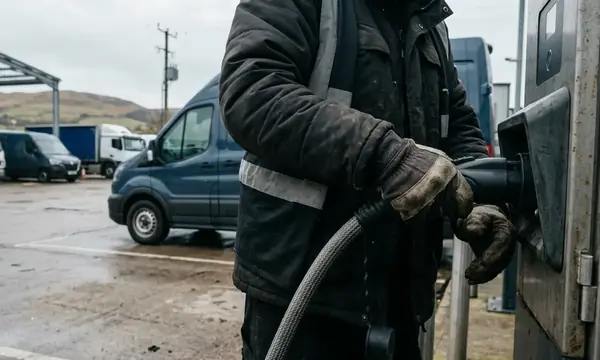
Upgrading local substations is critical to support the influx of commercial EV charging hubs. New installations require dedicated feeders sized for simultaneous fast-charging sessions across multiple bays.
Modernization efforts must align strictly with current UK electrical compliance standards. Design teams reference the latest wiring regulations and grid connection codes at every stage of substation layout.
Strategic infrastructure planning prevents future grid bottlenecks in commercial zones. Planners model growth scenarios that include additional charging points and on-site battery storage. They reserve duct routes and switchgear space during initial civil works.
In practice, crews sequence substation energization to avoid disrupting nearby businesses. They complete switchover procedures overnight and verify stability through continuous monitoring for the following week.
Project feedback indicates that early engagement with distribution operators shortens approval timelines. Projects that submit detailed load forecasts at the concept stage receive conditional offers within standard review periods.
Field observations suggest that phased rollout of charging hubs, paired with substation capacity increases, maintains service reliability. Operators track fault rates before and after each stage to confirm the approach holds under real operating conditions.
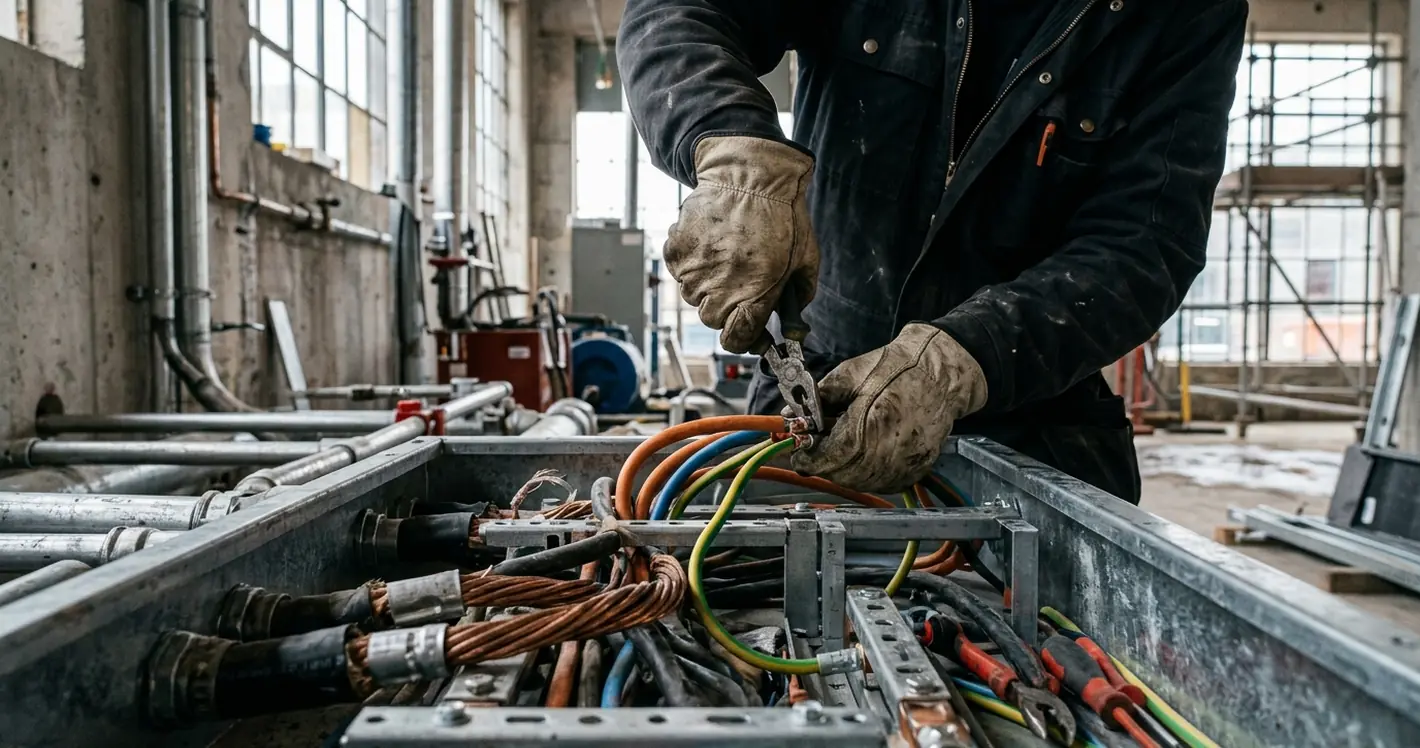
One practical step involves installing modular switchboards that accept future capacity modules without full replacement. This method reduces later excavation costs when demand rises again.
Project review sessions showed that cross-referencing EV charger specifications against local fault levels avoids protection coordination issues. Engineers adjust relay settings on site after initial energization tests.
Strategic placement of new substations near regeneration corridors also supports commercial EV integration targets set by regional authorities. The same infrastructure serves both daytime workplace charging and evening public access points.